Sunlight, supplements, and the facts in between.
Maximizing Vitamin D Absorption: The Ultimate Guide to Its Benefits
Discover how to maximize vitamin D absorption and its numerous health benefits, including bone health, immune support, and mood regulation.

Vitamin D, often referred to as the "sunshine vitamin," is a vital nutrient that plays a significant role in maintaining overall health. Unlike other vitamins, vitamin D is unique because it can be synthesized by the body when the skin is exposed to sunlight. This essential nutrient is not only crucial for bone health but also influences various bodily functions, including immune response, mood regulation, and cardiovascular health. Understanding the importance of vitamin D is fundamental for anyone looking to enhance their well-being. The benefits of vitamin D extend far beyond just supporting bone density.
Research has shown that adequate levels of this vitamin can help reduce the risk of chronic diseases such as diabetes, heart disease, and certain types of cancer. Furthermore, vitamin D plays a pivotal role in regulating calcium and phosphorus levels in the body, which are essential for maintaining strong bones and teeth. A deficiency in vitamin D can lead to serious health issues, including osteoporosis and rickets in children. Moreover, emerging studies suggest that vitamin D may have a protective effect against respiratory infections and autoimmune diseases. This highlights its importance not only as a nutrient but also as a potential therapeutic agent in various health conditions.
Given its wide-ranging effects on health, ensuring adequate vitamin D levels through sunlight exposure, diet, or supplementation is crucial for everyone. In summary, vitamin D is an indispensable component of our health arsenal. Its multifaceted benefits underscore the need for individuals to be proactive about their vitamin D intake. As we delve deeper into the best ways to absorb this vital nutrient, it becomes clear that understanding its significance is the first step toward optimizing our health.
The Benefits of Vitamin D
Vitamin D is often referred to as the "sunshine vitamin" due to its unique ability to be synthesized by the body when exposed to sunlight. However, its benefits extend far beyond just bone health.Understanding the health benefits of vitamin D can motivate individuals to ensure they are getting enough of this essential nutrient. One of the most well-known roles of vitamin D is its contribution to bone health. It aids in the absorption of calcium and phosphorus, two minerals critical for maintaining strong bones. A deficiency in vitamin D can lead to conditions such as osteoporosis in adults and rickets in children, both of which result in weakened bones and increased fracture risk. Beyond bone health, vitamin D plays a significant role in immune function. Research has shown that adequate levels of vitamin D can enhance the pathogen-fighting effects of monocytes and macrophages—white blood cells that are crucial for immune defense.
This is particularly important during cold and flu season, as individuals with sufficient vitamin D levels may experience fewer respiratory infections. Moreover, emerging studies suggest that vitamin D may have a role in regulating mood and warding off depression. Some research indicates that low levels of vitamin D are associated with an increased risk of mood disorders, including seasonal affective disorder (SAD). Ensuring adequate intake may help improve overall mental well-being. Vitamin D is also being studied for its potential role in chronic disease prevention. Some studies suggest that it may lower the risk of certain cancers, cardiovascular diseases, and autoimmune disorders.
While more research is needed to fully understand these connections, the preliminary findings are promising. In summary, the benefits of vitamin D are extensive, impacting various aspects of health from bone integrity to immune support and mental health. Prioritizing vitamin D intake through sunlight exposure, diet, or supplementation can lead to significant improvements in overall health and well-being.
Sources of Vitamin D
Vitamin D is often referred to as the "sunshine vitamin" because our bodies can produce it when exposed to sunlight. However, many people may not get enough vitamin D from sun exposure alone, making it essential to understand various sources of this vital nutrient.Sunlight and Vitamin D
When your skin is exposed to ultraviolet B (UVB) rays from the sun, it synthesizes vitamin D. This natural process is the most efficient way to obtain vitamin D, as it allows for higher levels of the vitamin to be produced compared to dietary sources.However, several factors can affect this synthesis:
- Geographical Location: People living in northern latitudes or areas with long winters may have limited sun exposure, especially during the colder months.
- Skin Tone: Individuals with darker skin have more melanin, which can reduce the skin's ability to produce vitamin D from sunlight.
- Time of Day: The sun's rays are most effective for vitamin D synthesis between 10 a.m. and 3 p.m.
- Use of Sunscreen: While sunscreen is crucial for protecting against skin cancer, it can also inhibit vitamin D production.
Dietary Sources of Vitamin D
If sunlight exposure is insufficient, dietary sources become vital for maintaining adequate vitamin D levels. Here are some excellent food options:- Fatty Fish: Fish such as salmon, mackerel, and sardines are among the richest natural sources of vitamin D.
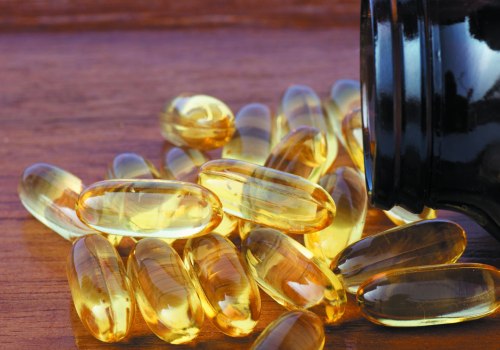
- Cod Liver Oil: This supplement is packed with vitamin D and omega-3 fatty acids, making it a potent option for those looking to boost their intake.
- Fortified Foods: Many foods are fortified with vitamin D, including milk, orange juice, and breakfast cereals. Always check labels to ensure they contain added vitamin D.
- Egg Yolks: Eggs are a convenient source of vitamin D; however, they contain lower amounts compared to fatty fish.
Supplements
If dietary sources and sunlight exposure are inadequate, supplements can help fill the gap.Vitamin D supplements come in two forms: D2 (ergocalciferol) and D3 (cholecalciferol). Research suggests that vitamin D3 is more effective at raising blood levels of the vitamin. It's advisable to consult with a healthcare professional before starting any supplementation regimen to determine the appropriate dosage based on individual needs. In summary, while sunlight is a primary source of vitamin D, dietary options and supplements play crucial roles in ensuring adequate intake. By understanding these sources, individuals can take proactive steps toward maintaining optimal health through sufficient vitamin D levels.
How to Maximize Vitamin D Absorption
To effectively enhance the absorption of vitamin D, it is essential to consider several factors that can significantly impact how well your body utilizes this vital nutrient.Here are some practical tips and best practices to maximize vitamin D absorption:
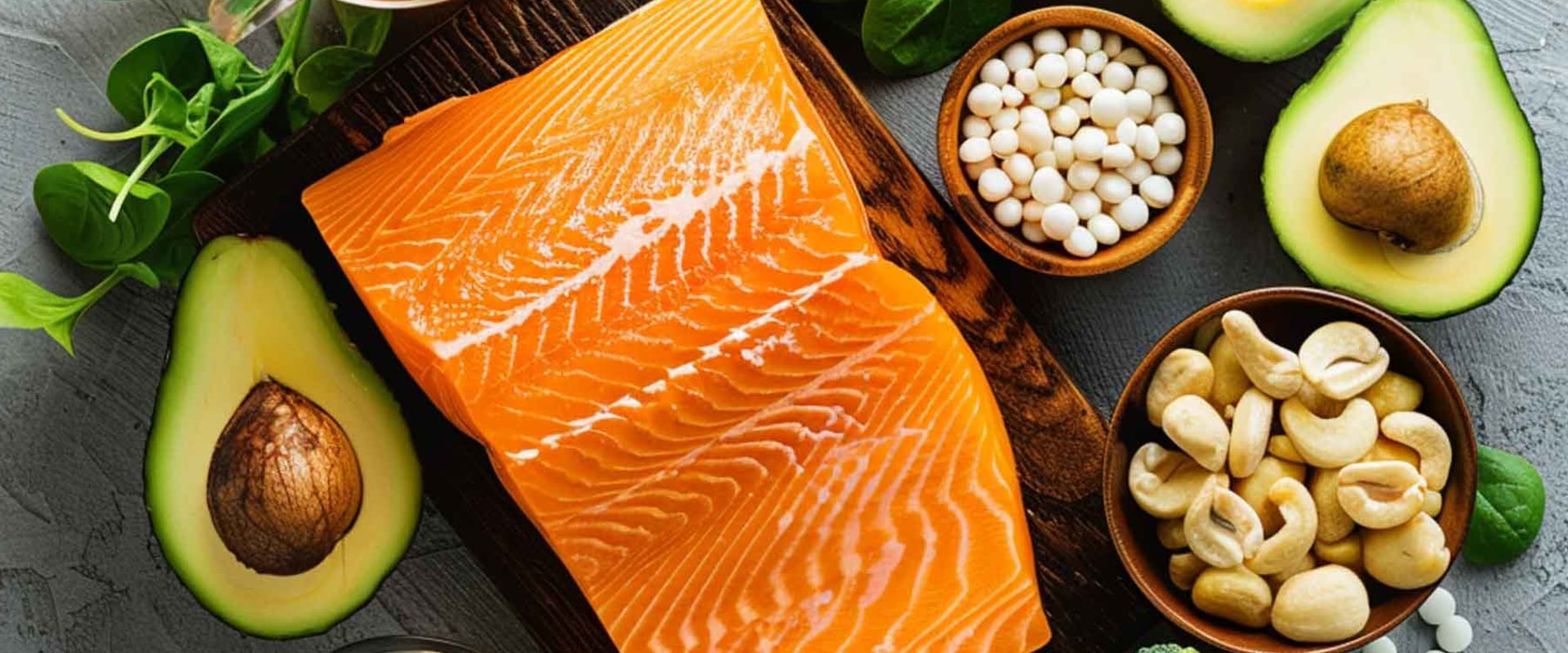
- Pair with Healthy Fats: Since vitamin D is a fat-soluble vitamin, consuming it alongside healthy fats can greatly improve its absorption. Foods rich in healthy fats include avocados, nuts, seeds, olive oil, and fatty fish. For instance, taking your vitamin D supplement with a meal that includes salmon or a handful of walnuts can optimize its uptake.
- Timing Matters: The timing of your vitamin D intake can also play a role in its absorption. It is generally recommended to take vitamin D supplements with meals rather than on an empty stomach.
This is because the presence of dietary fat during digestion enhances the solubility and absorption of the vitamin.
- Consider Your Age: As we age, our bodies may become less efficient at absorbing nutrients, including vitamin D. Older adults often require higher doses or more frequent supplementation to achieve optimal levels. If you are over 50, consult with a healthcare provider about your specific needs.
- Health Conditions: Certain health conditions can affect how well your body absorbs vitamin D. For example, individuals with gastrointestinal disorders such as celiac disease or Crohn's disease may have impaired absorption due to damage to the intestinal lining.
If you have any underlying health issues, it’s crucial to discuss your vitamin D intake with a healthcare professional.
- Sunlight Exposure: Natural sunlight is one of the best sources of vitamin D. Aim for 10 to 30 minutes of sun exposure several times a week, depending on your skin type and location. However, during winter months or in areas with limited sunlight, supplementation becomes even more important.
- Avoid Excessive Alcohol: High alcohol consumption can interfere with the metabolism of vitamin D in the liver. Limiting alcohol intake may help improve your body’s ability to utilize this essential nutrient.
Remember that individual needs may vary, so it’s always wise to consult with a healthcare provider for personalized advice tailored to your specific circumstances.
The Role of Sunlight in Vitamin D Production
Sunlight plays a pivotal role in the natural production of vitamin D within the body. When ultraviolet B (UVB) rays from the sun hit the skin, they trigger a chemical reaction that converts 7-dehydrocholesterol, a compound found in the skin, into vitamin D3. This process is essential for maintaining adequate levels of this vital nutrient, which supports various bodily functions, including bone health and immune system regulation. To effectively produce vitamin D through sunlight exposure, several factors come into play:- Time of Day: The sun's rays are most potent between 10 a.m. and 3 p.m. During these hours, UVB rays are more direct, making it easier for the skin to synthesize vitamin D.
- Geographical Location: Individuals living closer to the equator receive more intense sunlight year-round compared to those in northern latitudes.
In regions with limited sunlight, especially during winter months, obtaining sufficient vitamin D from sun exposure becomes challenging.
- Skin Type: Melanin, the pigment responsible for skin color, affects vitamin D synthesis. Individuals with darker skin have more melanin, which can reduce the skin's ability to produce vitamin D compared to those with lighter skin tones.
- Age: As people age, their skin becomes less efficient at producing vitamin D. Older adults may require more sun exposure to achieve the same levels of vitamin D as younger individuals.
For instance, someone with fair skin may need less time in the sun than someone with darker skin. While sunlight is a natural source of vitamin D, it is crucial to balance sun exposure with skin health. Overexposure to UV rays can lead to skin damage and increase the risk of skin cancer. To protect your skin while still benefiting from sunlight:
- Use Sunscreen: Apply broad-spectrum sunscreen with an SPF of at least 30 when spending extended periods outdoors.
- Avoid Peak Hours: Limit direct sun exposure during peak hours (10 a.m. to 3 p.m.) when UV radiation is strongest.
- Wear Protective Clothing: Consider wearing hats and long sleeves if you plan to be outside for long durations.
By understanding how much sun is needed and taking precautions against overexposure, individuals can enjoy the benefits of natural vitamin D while safeguarding their skin health.
Vitamin D Deficiency: Causes and Consequences
Vitamin D deficiency is a widespread issue that can arise from various factors, leading to significant health implications. Understanding the causes and symptoms of this deficiency is crucial for prevention and management.Causes of Vitamin D Deficiency
Several factors contribute to inadequate levels of vitamin D:- Lack of Sunlight Exposure: Vitamin D is often referred to as the "sunshine vitamin" because our bodies produce it in response to sunlight. Individuals living in areas with limited sunlight, especially during winter months, are at a higher risk.
- Dietary Insufficiency: A diet low in vitamin D-rich foods, such as fatty fish, fortified dairy products, and egg yolks, can lead to deficiency. Vegetarians and vegans may be particularly vulnerable if they do not supplement their diets appropriately.
- Age: As people age, their skin's ability to synthesize vitamin D decreases.
Older adults often have lower levels due to reduced sun exposure and dietary intake.
- Skin Pigmentation: Individuals with darker skin have more melanin, which can reduce the skin's ability to produce vitamin D from sunlight. This makes them more susceptible to deficiency.
- Medical Conditions: Certain health issues, such as obesity, gastrointestinal disorders (like celiac disease or Crohn's disease), and kidney or liver diseases, can impair the body's ability to absorb or convert vitamin D.
Symptoms of Vitamin D Deficiency
The symptoms of vitamin D deficiency can be subtle and may go unnoticed initially. Common signs include:- Fatigue: A general feeling of tiredness or lack of energy can be a sign of low vitamin D levels.
- Bone Pain: Vitamin D plays a critical role in calcium absorption; thus, its deficiency can lead to bone discomfort or pain.
- Mood Changes: Low levels of vitamin D have been linked to mood disorders such as depression and anxiety.
- Muscle Weakness: Insufficient vitamin D can result in muscle weakness, increasing the risk of falls in older adults.
Consequences of Low Vitamin D Levels
The health consequences associated with low vitamin D levels are significant and can affect various bodily systems:- Bone Health Issues: Chronic deficiency can lead to conditions like osteomalacia in adults and rickets in children, both characterized by weakened bones.
- Increased Risk of Chronic Diseases: Research suggests that low vitamin D levels may be associated with an increased risk of chronic diseases such as cardiovascular disease, diabetes, and certain cancers.
- Impaired Immune Function: Vitamin D is essential for a well-functioning immune system. Deficiency may increase susceptibility to infections and autoimmune diseases.
Regular monitoring and appropriate supplementation can help mitigate the risks associated with low levels of this essential nutrient.
Supplementing with Vitamin D: What You Need to Know
When considering vitamin D supplements, it’s essential to understand the different types available and how they can impact your health. The two primary forms of vitamin D supplements are vitamin D2 (ergocalciferol) and vitamin D3 (cholecalciferol). While both forms can help raise vitamin D levels in the body, research suggests that vitamin D3 is more effective at increasing and maintaining these levels over time.Vitamin D2
is derived from yeast and fungi, making it suitable for vegetarians and vegans. However, it may not be as potent as vitamin D3, which is typically sourced from animal products like fish liver oil or lanolin (a substance derived from sheep's wool).
For those looking to maximize their vitamin D intake,
vitamin D3
is often recommended due to its superior absorption and efficacy.
Dosage Recommendations
The appropriate dosage of vitamin D can vary based on several factors, including age, health status, and geographic location. The Institute of Medicine suggests a daily intake of:- 600 IU (15 mcg) for individuals aged 1-70 years
- 800 IU (20 mcg) for those over 70 years
- 400 IU (10 mcg) for infants
Choosing a Quality Vitamin D Supplement
When selecting a vitamin D supplement, consider the following tips:- Check the Form: Opt for vitamin D3 over D2 for better absorption.
- Look for Third-Party Testing: Choose brands that undergo independent testing to ensure quality and potency.
- Avoid Unnecessary Additives: Select supplements that are free from artificial colors, flavors, and preservatives.
- Consider Your Dietary Preferences: If you are vegan or vegetarian, look for plant-based sources of vitamin D3.
Frequently Asked Questions about Vitamin D Absorption
Vitamin D absorption is a topic that often raises questions and misconceptions. Here, we address some of the most frequently asked questions to help clarify your understanding of this essential nutrient.What are the best sources of vitamin D?
Vitamin D can be obtained from several sources:- Sunlight: The body produces vitamin D when the skin is exposed to sunlight, specifically UVB rays.
However, factors such as geographic location, season, and skin pigmentation can affect this natural production.
- Food: Dietary sources include fatty fish (like salmon and mackerel), fortified foods (such as milk and cereals), egg yolks, and beef liver.
- Supplements: Vitamin D supplements, particularly in the form of vitamin D3 (cholecalciferol), are an effective way to ensure adequate intake, especially for those with limited sun exposure.
How does fat intake affect vitamin D absorption?
Since vitamin D is a fat-soluble vitamin, consuming it with dietary fat enhances its absorption. Foods rich in healthy fats, such as avocados, nuts, and olive oil, can significantly improve the bioavailability of vitamin D. Therefore, taking your supplement with a meal that includes some fat is advisable for optimal absorption.Can I get enough vitamin D from food alone?
While certain foods provide vitamin D, it can be challenging to obtain sufficient amounts solely through diet. Many people may require supplements to meet their daily needs, especially those living in areas with limited sunlight or those who have dietary restrictions.Are there any myths about vitamin D absorption?
Yes, several myths persist regarding vitamin D:- Myth 1: You can get enough vitamin D from sun exposure alone.
This is not always true due to factors like skin type and geographic location.
- Myth 2: All supplements are equally effective. The form of vitamin D matters; vitamin D3 is generally more effective than vitamin D2.
- Myth 3: High doses of vitamin D are always safe. Excessive intake can lead to toxicity; it's essential to follow recommended guidelines.
Conclusion: Ensuring Optimal Vitamin D Levels for Health
In summary, maintaining optimal levels of vitamin D is essential for overall health and well-being. This vital nutrient plays a significant role in various bodily functions, including bone health, immune system support, and even mood regulation.As we have discussed, the best way to absorb vitamin D effectively involves a combination of dietary intake, sensible sun exposure, and, when necessary, supplementation. To recap the key points:
- Dietary Sources: Incorporating foods rich in vitamin D, such as fatty fish (like salmon and mackerel), fortified dairy products, and egg yolks, can significantly contribute to your daily intake.
- Sun Exposure: Natural sunlight is one of the most effective ways to boost your vitamin D levels. Aim for about 15-30 minutes of sun exposure several times a week, depending on your skin type and geographical location.
- Supplementation: For those who struggle to meet their vitamin D needs through diet and sunlight alone—especially during winter months or for individuals with limited sun exposure—considering a high-quality vitamin D supplement can be beneficial. Always consult with a healthcare professional before starting any new supplement regimen.
- Fat Intake: Since vitamin D is fat-soluble, consuming it alongside healthy fats can enhance absorption. Foods like avocados, nuts, and olive oil can be excellent companions to your vitamin D sources.
Understanding your body’s specific needs will empower you to make informed decisions about your health. In conclusion, by taking proactive steps to ensure adequate vitamin D absorption—through a balanced diet, responsible sun exposure, and appropriate supplementation—you can harness the numerous vitamin D benefits that contribute to a healthier life. Prioritize your vitamin D intake today for a stronger tomorrow!.